

What are the odds? Understanding casino games and probabilities
The Basics of Casino Games and Probability
Casino games are designed around probabilities, creating an exciting yet unpredictable environment for players. Every game presents a unique set of odds that influences the likelihood of winning or losing. Understanding these probabilities can help players make informed decisions regarding their bets and gameplay strategies, especially when they explore options for online casino instant withdrawal methods, which can significantly enhance their overall experience. From the spinning reels of slot machines to the rolling dice of craps, the odds can vary significantly from one game to another.
One fundamental aspect of these odds is the concept of the house edge. This term refers to the mathematical advantage that the casino has over the players in any given game. For instance, in games like blackjack, the house edge can be as low as one percent if the player employs optimal strategy. Conversely, games like keno can have a house edge exceeding twenty percent, making them less favorable for the player. Thus, understanding the house edge is crucial for anyone looking to succeed in a casino.
Additionally, players must familiarize themselves with the payout structures of various games. For example, slot machines typically offer more significant jackpots but have a higher house edge, while table games like poker provide better odds under certain circumstances. Knowledge of the payout ratios and how they correlate with the odds can empower players, allowing them to balance risk and reward more effectively in their gameplay.
The Role of Randomness in Casino Games
Randomness is a core element of casino games that contributes to their allure. Most games, whether they involve cards, dice, or spinning wheels, rely on random events to determine outcomes. This unpredictability is what keeps players coming back, as each round offers a fresh chance to win. However, it is essential for players to understand that randomness does not equal fairness; the outcomes often lean towards the house due to the established odds.
For example, in games like roulette, the ball’s path is entirely random. Players place bets on various outcomes, such as colors or specific numbers, but the probability of winning remains fixed and is determined by the game’s layout. While some players may experience lucky streaks, statistically, the outcomes will always revert to the game’s established odds over time, reinforcing the importance of understanding these probabilities.
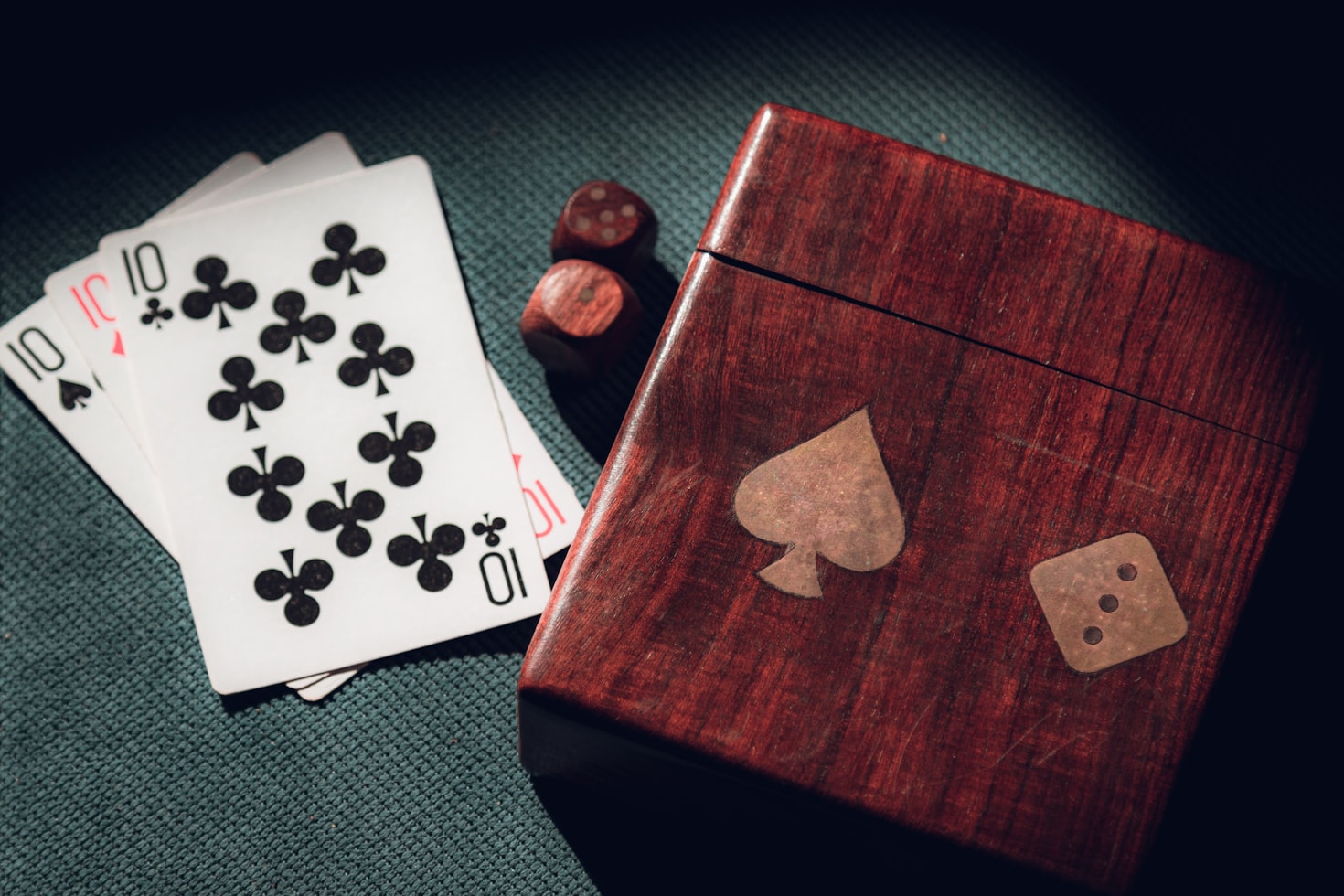
This randomness also fuels the phenomenon known as “gambler’s fallacy,” where players believe that past outcomes can influence future results. For instance, if a specific number has not appeared in several spins of the roulette wheel, some players may think it is ‘due’ to hit. However, each spin is an independent event, and the odds remain unchanged. Recognizing this common misconception can help players manage their expectations and develop a more rational approach to gaming.
Popular Casino Games and Their Odds
When examining the odds of casino games, it is essential to consider a few popular options. Blackjack, often celebrated for its relatively low house edge, offers players the chance to influence the outcome through strategy. With the proper knowledge and skills, players can reduce the house advantage to less than one percent, making it one of the most favorable games for strategic players. However, mastery of the game requires an understanding of when to hit, stand, double down, or split, showcasing that skill and knowledge play a pivotal role in enhancing odds.
In contrast, games like slots are primarily chance-based. Each spin is independent, and while players may chase big wins, the chances of hitting the jackpot vary widely from one machine to another. Typically, slot machines have higher house edges, often around five to ten percent or more, depending on the game design. Understanding that while the excitement of the jackpot is alluring, the odds are usually not in favor of the player is vital.
Craps is another fascinating game with intricate odds. In craps, players can make a wide array of bets with varying house edges. For instance, the pass line bet has a house edge of about 1.41%, making it a relatively good option. However, betting on single rolls can have much higher edges, sometimes exceeding 10%. Learning the various bets available in craps helps players navigate the game and enhance their chances of winning over time.
Strategies for Managing Casino Odds
While understanding the odds of casino games is vital, having a solid strategy can greatly enhance one’s gaming experience. Players should set clear limits on their betting activities, ensuring they only wager amounts they can afford to lose. This practice is crucial in managing bankroll effectively and preventing the common pitfalls associated with gambling, such as chasing losses or overspending.
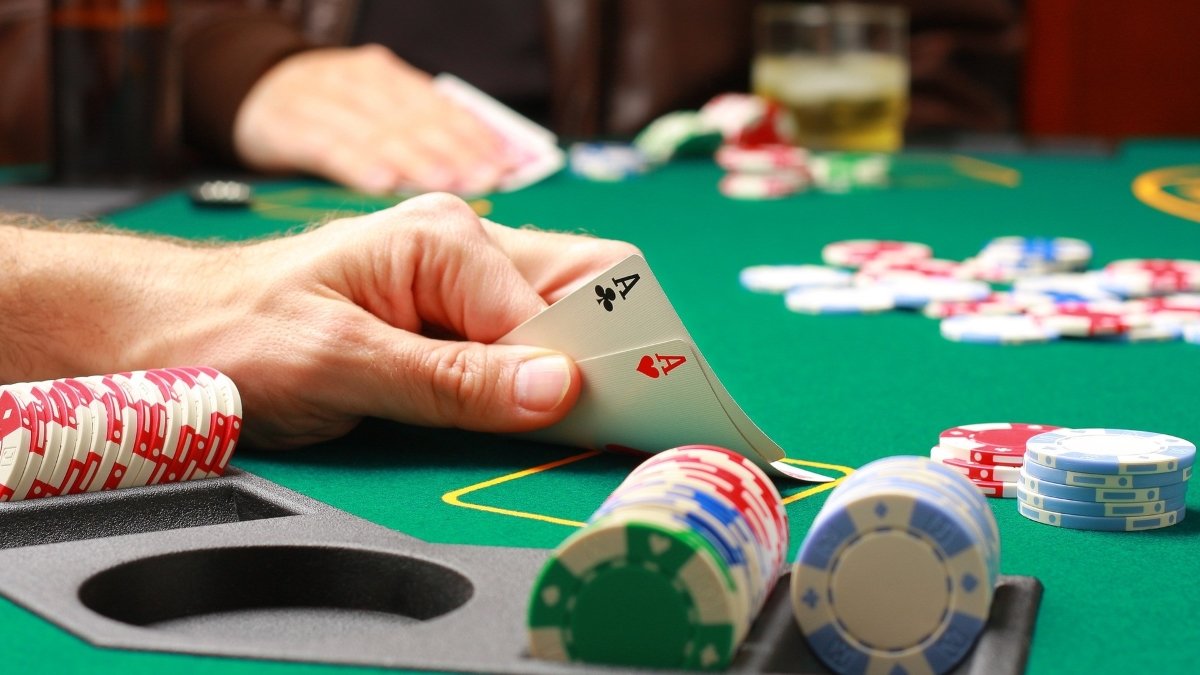
Another key strategy involves choosing games with favorable odds. Players should prioritize games that offer lower house edges and have a high return-to-player (RTP) percentage. Analyzing game rules, payout structures, and research on strategy can significantly increase the likelihood of a favorable outcome. For example, focusing on blackjack or video poker, where skill can influence the odds, can be more rewarding than relying solely on luck in the high-edge slot machines.
Furthermore, players can adopt betting systems to further manage their approach to casino games. Systems such as the Martingale or Paroli techniques rely on adjusting bets based on wins and losses. While these systems can help players approach their betting more methodically, it is essential to remember that no system guarantees success. Ultimately, the focus should remain on enjoying the experience while practicing responsible gaming.
Why Learning About Odds Matters
Understanding casino odds and probabilities not only enhances a player’s gaming experience but supports responsible gaming practices. Knowledge of the odds reinforces the idea that while luck is a component, skill and strategy can significantly impact outcomes in many games. This understanding leads to making more informed and confident decisions while playing, contributing to a more enjoyable experience overall.
Additionally, as casinos become increasingly popular, awareness of the odds can help individuals recognize the signs of problem gambling. When players understand that the odds are overwhelmingly against them in certain games, they can better appreciate the importance of moderation and risk assessment. This awareness encourages healthier gaming habits and helps ensure that players enjoy their time without falling into negative patterns.
Ultimately, casinos provide exciting entertainment, but the responsibility lies with the players to approach these games with caution and knowledge. By learning about the odds, players can cultivate a more rewarding and responsible relationship with gambling, creating a balanced experience that emphasizes enjoyment over solely financial gain.
