

The role of luck versus skill in casino gaming
Understanding Luck in Casino Games
Luck is a fundamental component of casino gaming that can significantly influence the outcome of various games. It embodies the unpredictable nature of games like slots, roulette, and baccarat, where players have little to no control over the results. For instance, slot machines operate on random number generators, ensuring that each spin is entirely independent of the previous one. This unpredictability can lead to substantial wins, but those playing at a payid australia casino often find themselves at the mercy of chance, reinforcing the notion that luck plays a pivotal role in these games.
Additionally, the concept of luck is deeply ingrained in the psychology of players. Many individuals believe in “lucky streaks,” where they feel they are on a winning path, influencing their betting behavior and decision-making. This perception can lead to impulsive strategies that capitalize on temporary success rather than calculated approaches. For example, a player who wins a few rounds of blackjack may increase their bets due to a perceived wave of good fortune, which may not statistically improve their odds but illustrates how luck can sway actions in a casino setting.
The allure of luck can also be seen in how casinos attract players. Promotions and jackpots often hinge on the element of chance, drawing people in with the promise of potential fame and fortune. Many players enter casinos with the hope of hitting a big jackpot purely by chance, and this narrative of luck can be harnessed effectively by marketing strategies. The thrill of chance makes games exciting and enticing, as players dream of striking it rich with little more than a roll of the dice or a spin of the wheel.
The Importance of Skill in Strategic Games
Conversely, skill plays a critical role in various casino games that require strategic thinking and decision-making. Games like poker and blackjack are not solely dependent on luck; players can leverage their knowledge and experience to influence the outcome. In poker, for instance, understanding odds, reading opponents, and employing psychological tactics can significantly enhance a player’s chances of winning. Experienced players often rely on their skills to outmaneuver competitors and make informed bets, illustrating how skill can complement luck in these scenarios.
Moreover, skilled players often dedicate time to mastering the nuances of their chosen games. They study strategies, run simulations, and analyze gameplay to refine their techniques. The time invested in improving one’s skills can lead to more consistent results over the long term. For example, a proficient blackjack player knows when to hit or stand based on statistical probabilities, which can make a substantial difference in their overall success rate compared to a novice who relies solely on luck.
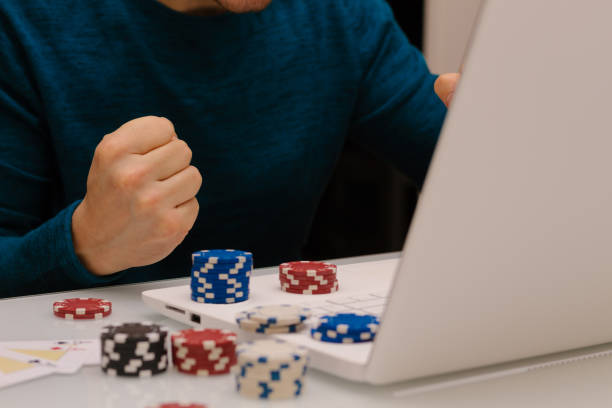
Furthermore, the combination of skill and luck can produce fascinating dynamics in gameplay. Skilled players often find that while they can increase their odds of winning through strategic play, luck still remains an unpredictable factor. This interplay can create a captivating environment in which both luck and skill are not mutually exclusive but rather coexist. This duality adds layers to the gaming experience, as players navigate the balance between chance and strategy.
The Psychology of Gambling and Its Impact on Luck and Skill
The psychology of gambling significantly influences how players perceive the roles of luck and skill in their gaming experiences. Cognitive biases, such as the illusion of control, lead some players to believe that their skills can overcome the randomness inherent in games of chance. This belief can foster an overestimation of one’s ability to manipulate outcomes, often resulting in risky betting behavior. For example, a player might insist they have a “system” that consistently helps them win, ignoring the statistical reality of the game’s odds.
Moreover, players often experience a range of emotional responses during their gaming sessions, which can affect decision-making. The excitement of winning can create a euphoric sense of confidence, while losing streaks may lead to frustration or desperation. Such emotional states can cloud judgment, leading players to make poor choices based on their current feelings rather than sound strategies. Understanding how these psychological factors interplay with luck and skill is essential for players aiming to enhance their gaming experience.
In addition to personal psychology, social dynamics also affect how individuals engage with luck and skill. Players often look to peers for validation and guidance, and this communal aspect can amplify beliefs in luck or skill. For instance, a group of friends playing poker may develop a shared belief in certain “lucky” strategies based on collective experience, which may or may not hold true statistically. This social reinforcement can further entrench players’ views on the role of luck compared to skill in their gaming pursuits.
The Balance of Luck and Skill Across Different Games
While some casino games are predominantly driven by luck, others require a significant degree of skill, creating a spectrum that influences player choices and experiences. For instance, games like roulette and craps are primarily luck-based, with outcomes largely determined by chance. This results in a more casual gaming environment where players may be less concerned about strategy and more focused on the thrill of the game. The allure of such games lies in their simplicity and the immediate gratification they offer, as players eagerly await the results of their bets.

In contrast, games like poker, blackjack, and sports betting require a deeper understanding of strategy, statistics, and psychological tactics. These games appeal to individuals who enjoy mental challenges and the opportunity to influence their success through skillful play. The competitive nature of these games creates an atmosphere where skill can shine, leading to a diverse player base that appreciates the nuances of strategy and probability.
The balance between luck and skill also affects the house edge, which is the casino’s built-in profit margin. In games heavily influenced by luck, the house edge is often more pronounced, whereas in skill-based games, it can be mitigated by a player’s expertise. This dynamic influences how players approach their gaming, with those seeking a more strategic experience gravitating toward games that allow for skill application, while casual gamers may prefer those reliant on luck for entertainment.
Exploring More About Casino Gaming
For those looking to delve deeper into the fascinating world of casino gaming, it is essential to consider both the elements of luck and skill in their approach. Understanding the nuances of individual games can significantly enhance the gaming experience and inform decision-making. Players who take the time to learn the strategies associated with skill-based games can enjoy not only the thrill of competition but also the satisfaction of applying their knowledge effectively.
Moreover, engaging with casino gaming responsibly requires an awareness of how luck and skill can influence outcomes. Setting limits and acknowledging the inherent risks involved can lead to a more enjoyable and balanced gaming experience. By cultivating a clear understanding of both components, players can better navigate their experiences and make informed choices, preserving the entertainment value of gaming while mitigating potential negative impacts.
Ultimately, whether drawn in by the excitement of chance or the challenge of strategy, every player contributes to the rich tapestry of casino gaming. Exploring this dynamic world can lead to new insights and heightened appreciation for the balance of luck and skill, empowering players to engage thoughtfully and responsibly with their gaming pursuits.
